
.png)
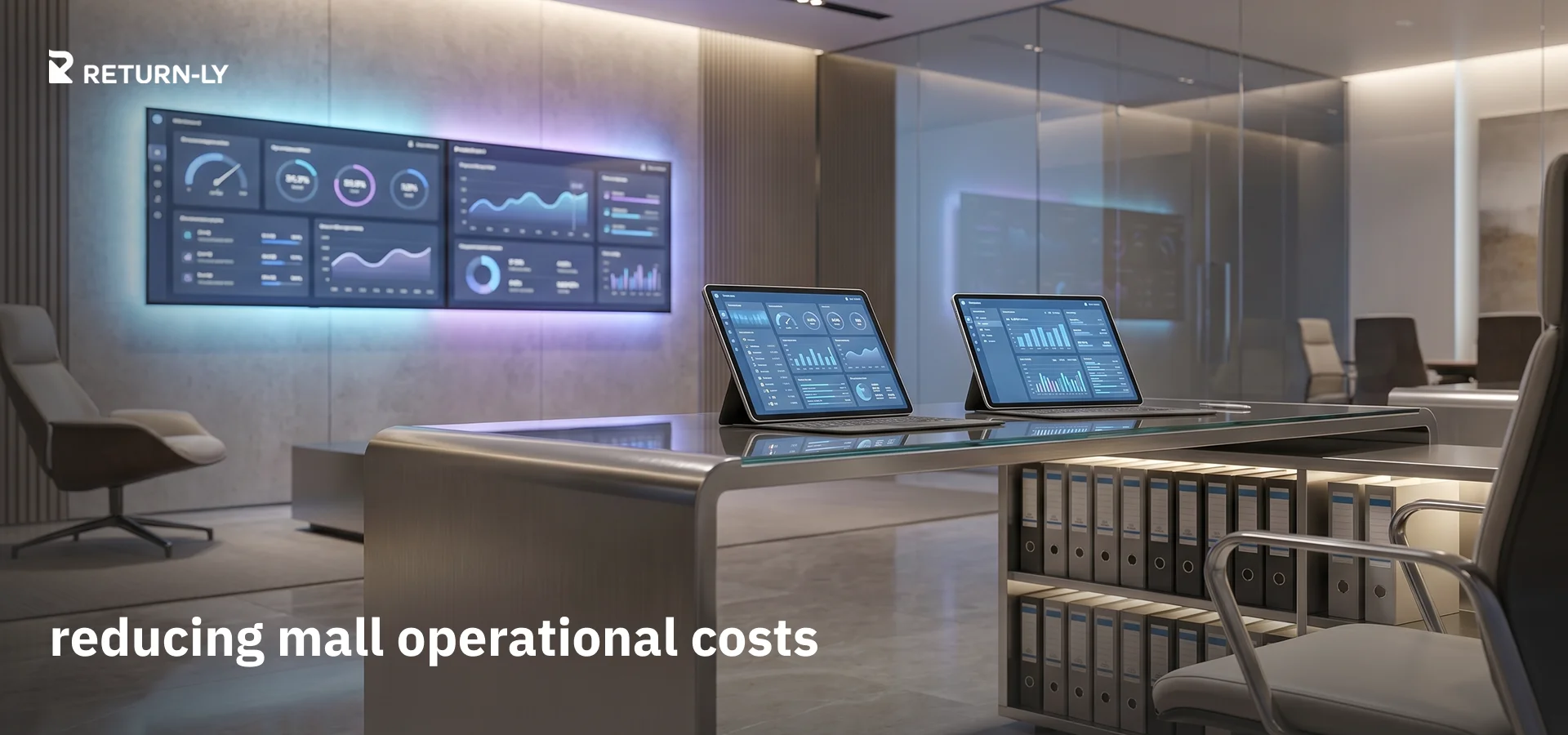
reducing mall operational costs has become a key priority for modern shopping malls as they look for smarter ways to improve efficiency and customer service. Technology is rapidly transforming the way malls operate by introducing automation and digital systems that streamline daily tasks, reduce unnecessary expenses, and enhance visitor experience. This shift not only improves service quality but also supports long-term operational efficiency goals.
In this article by ريتيرنلي | RETURN-LY, we explore how technology plays a major role in this transformation.
Operational costs in shopping malls are often high due to the complex nature of managing large facilities with continuous visitor flow and multiple service departments. Maintaining smooth operations requires significant financial and human resources across different areas.
These factors collectively increase daily operational expenses and highlight the need for smarter systems and automation to support reducing mall operational costs while maintaining service quality.
High operational costs in shopping malls directly affect the quality and speed of customer service. When a large portion of resources is consumed by inefficient processes and staffing demands, it becomes harder for malls to maintain consistent service standards.
Overall, high expenses limit operational flexibility and prevent malls from investing in improvements that could enhance service efficiency and support reducing mall operational costs effectively.
Technology plays a major role in streamlining mall operations and significantly lowering daily expenses. By replacing manual processes with automated systems, malls can reduce workload, minimize errors, and improve overall efficiency.
Through these improvements, technology directly supports reducing mall operational costs while maintaining high-quality customer service and operational performance.
Technology has become a key driver in enhancing customer service within shopping malls by making interactions faster, more accurate, and more convenient for visitors. It enables staff to respond to customer needs efficiently while reducing operational pressure.
By integrating modern solutions, malls can deliver higher service quality while supporting long-term goals such as reducing mall operational costs and improving efficiency.
Hidden operational costs are the indirect expenses that are not always visible in daily mall operations but significantly impact the overall budget and efficiency. These costs often arise from inefficient processes and outdated systems.
These hidden factors quietly increase overall expenses and reduce efficiency, making digital transformation essential for reducing mall operational costs and improving long-term performance.
Smart systems play a crucial role in optimizing operational efficiency within shopping malls by automating processes, reducing manual effort, and improving resource management. These systems help streamline daily operations and eliminate unnecessary expenses.
To ensure your request is processed instantly, you can successfully register your report by Submit Claim via this direct link: https://claims.return-ly.com/new-claim
Smart systems from RETURN-LY help shopping malls streamline operations, reduce waste, and improve efficiency, directly supporting reducing mall operational costs while enhancing customer service quality.
Upgrade your mall operations today with RETURN-LY and achieve smarter cost efficiency and better performance.
Operational costs can be reduced by automating manual processes, using digital systems instead of paper-based work, improving staff efficiency, and optimizing resource allocation. Technology also helps minimize errors and delays, which directly lowers unnecessary expenses.
Reduced operational costs mean lowering the total expenses required to run daily business activities while maintaining or improving service quality. This includes saving time, reducing labor and administrative costs, and improving overall operational efficiency.