

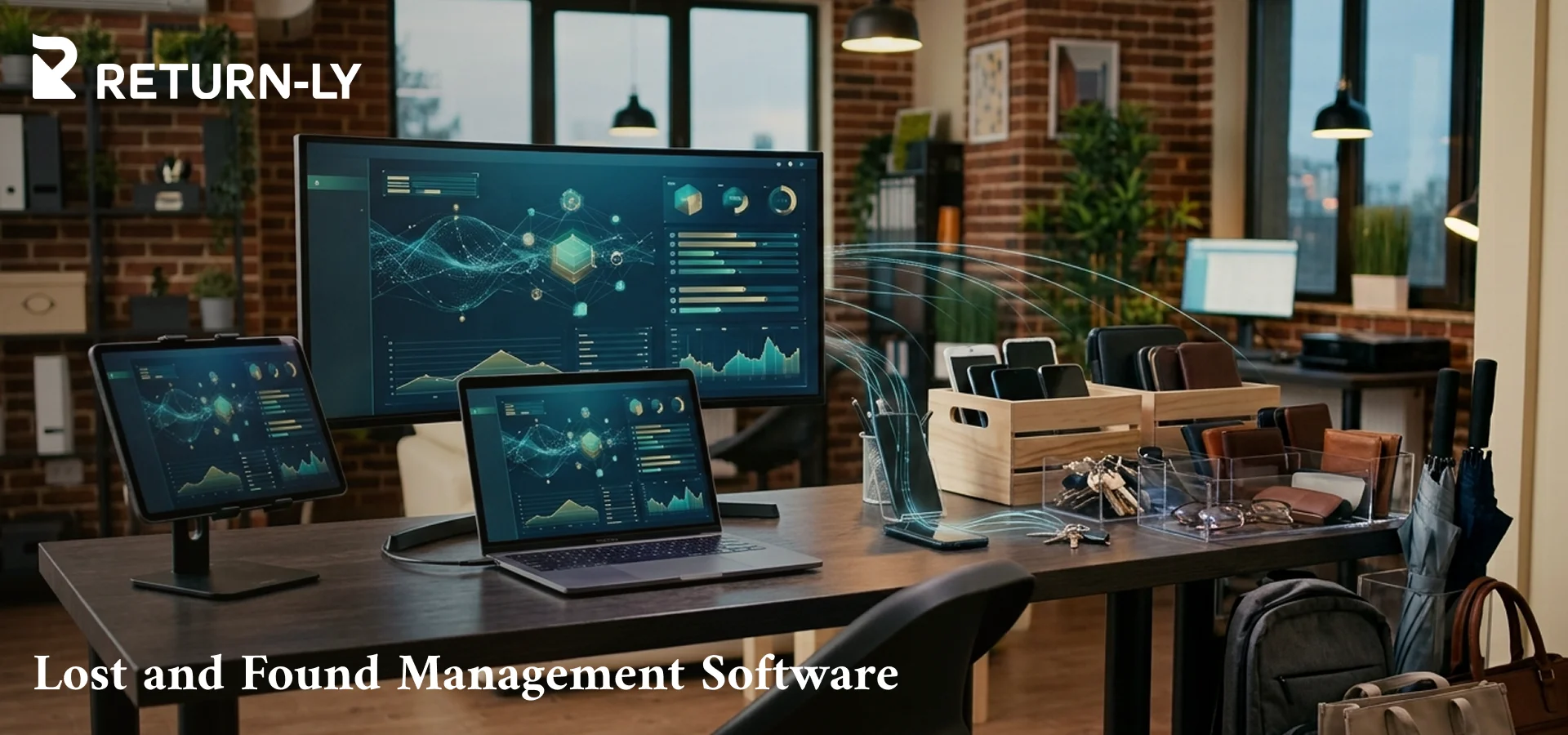
Managing lost items can become a difficult task for businesses that rely on manual records, spreadsheets, or disconnected communication between employees.
Hotels, restaurants, companies, and customer-focused organizations handle lost belongings every day, but the real challenge is not only storing found items. The challenge is organizing information, tracking each case, and helping owners recover their belongings efficiently.
A Lost and Found Management Software solution provides a smarter way to manage lost items by replacing manual processes with a more organized digital system that helps businesses record, manage, and follow up on lost and found cases.
Many organizations still use notebooks, emails, internal messages, or Excel files to manage lost items.
These methods may work when the number of cases is small, but they become difficult as businesses grow and handle more customers.
Common challenges include:
Without a structured process, managing lost items can consume valuable employee time and create an inconsistent customer experience.
Lost and Found Management Software is a digital solution designed to help organizations record, organize, and manage lost and found belongings in one centralized system.
Instead of storing information across multiple files, businesses can manage details such as:
The goal of the software is to create a clearer workflow for managing lost items and improving communication between organizations and owners.
Lost and found management is part of the overall customer experience.
When customers lose valuable belongings, they expect a quick and organized response. A digital system helps businesses handle these situations professionally.
Key benefits include:
For businesses with high customer traffic, a digital approach helps create consistency in handling lost belongings.
A digital lost and found process usually follows several steps:
When employees find an item, they can record important details such as:
This creates a clear record that can be reviewed later.
Customers can provide information about their missing belongings, including:
Providing accurate details helps improve the identification process.
When lost and found information matches, the organization can contact the owner and arrange the appropriate recovery method according to available options.
The process depends on the information provided and the procedures of the specific location.
Excel is a useful tool for many business tasks, but it was not specifically designed for managing lost and found operations.
As the number of lost items increases, businesses may experience problems such as:
A specialized software solution provides a more structured approach designed specifically for lost and found operations.
Customer experience does not end when a guest leaves a business location.
When someone loses a phone, wallet, bag, or personal item, the recovery process becomes part of their overall impression of the organization.
A digital lost and found system helps businesses provide:
This creates a more professional experience during a stressful situation.
No.
Lost and found management software is different from GPS tracking systems.
It does not provide a live location of lost phones, wallets, bags, or other belongings.
The purpose of the software is to organize lost and found information, manage records, compare details, and support communication when an item is identified.
Many types of organizations can benefit from a digital lost and found solution, including:
Hotels handle many guest belongings and need an organized way to record and return found items.
Restaurants can manage forgotten wallets, phones, bags, and personal belongings more efficiently.
Organizations can maintain better records when employees or visitors leave items behind.
Any business that regularly interacts with customers can improve lost item management through a centralized system.
ريتيرنلي | RETURN-LY helps organizations manage lost and found information in locations where the service is activated.
Through a structured process, users can provide details about missing belongings, while employees can record items that have been found.
When matching information is available, the owner can be contacted and the appropriate recovery method can be arranged according to available options.
Service availability depends on activation at the specific location.
Organizations without a structured system may experience:
A dedicated software solution helps reduce these challenges by creating a clearer and more organized workflow.
When selecting a lost and found solution, organizations should consider:
The right system should simplify daily operations and make lost item management easier.
Lost and Found Management Software is a digital system that helps organizations record, organize, and manage lost and found items through a centralized platform.
Businesses use lost and found software to reduce manual work, organize item records, improve employee coordination, and provide a better recovery experience for customers.
No. Lost and found software does not provide real-time location tracking. It helps manage information about lost and found items and supports communication when matching details are available.
Excel may work for small numbers of cases, but specialized software provides better organization and easier management as lost item records increase.
It helps organizations maintain accurate records, compare lost and found information, and contact owners when an item is identified.